
What Makes a Packaging Experience Unforgettable?
The most repeated physical touchpoint your brand has and what to do with it.
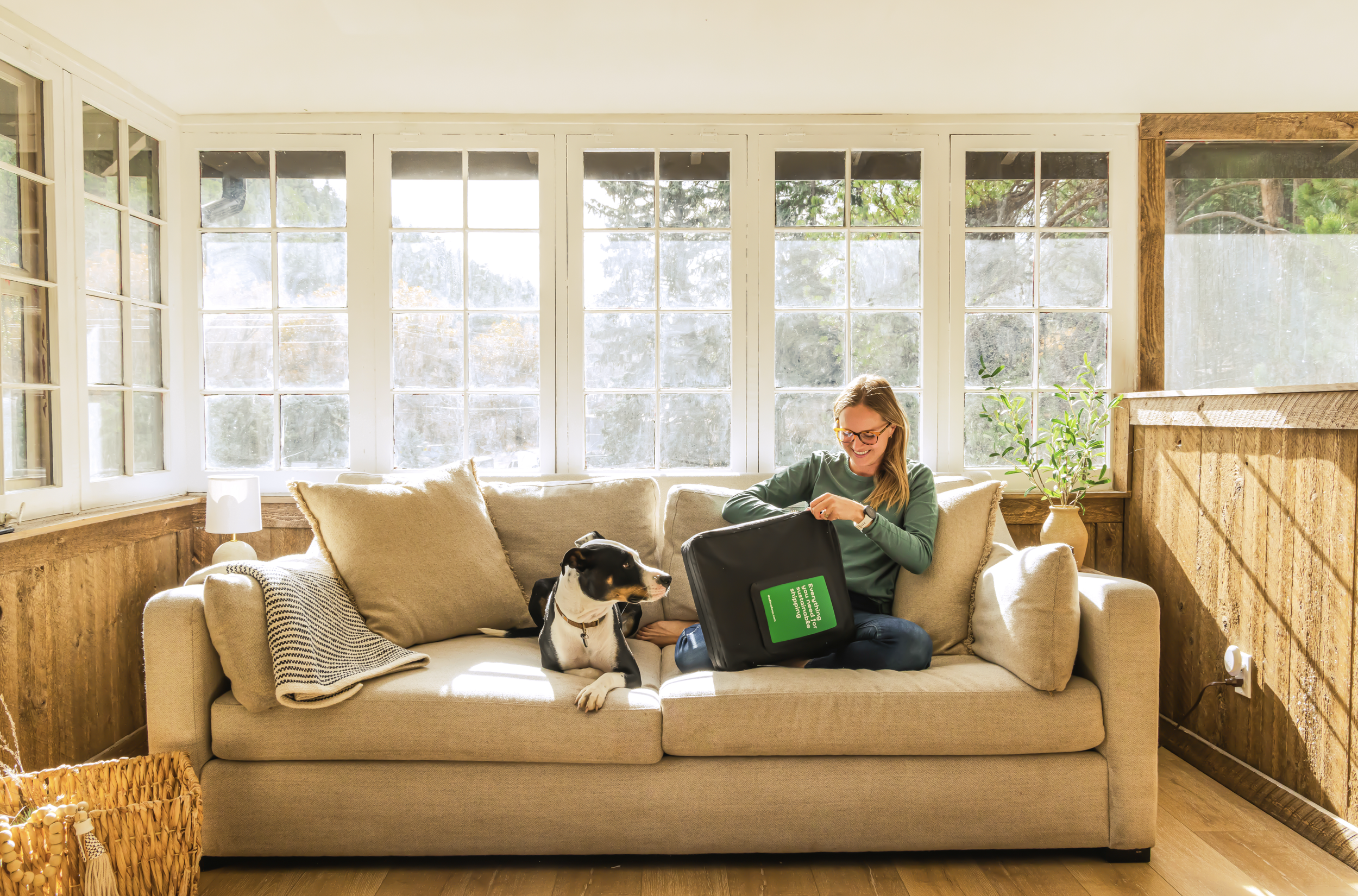
Most brands obsess over their website. They spend weeks on ad creative, months on their checkout flow, entire quarters on their email sequences. They should — those things matter.
And then they ship that beautifully built experience in the saddest cardboard box on earth.
Here's the thing: your customer will spend less time on your website this week than they'll spend looking at, touching, and dealing with your packaging all year. Every order. Every time. The packaging is the most consistent, most physical, most repeated interaction your customer has with your brand.
So what actually makes a packaging experience unforgettable and why does it matter more now than it ever has?
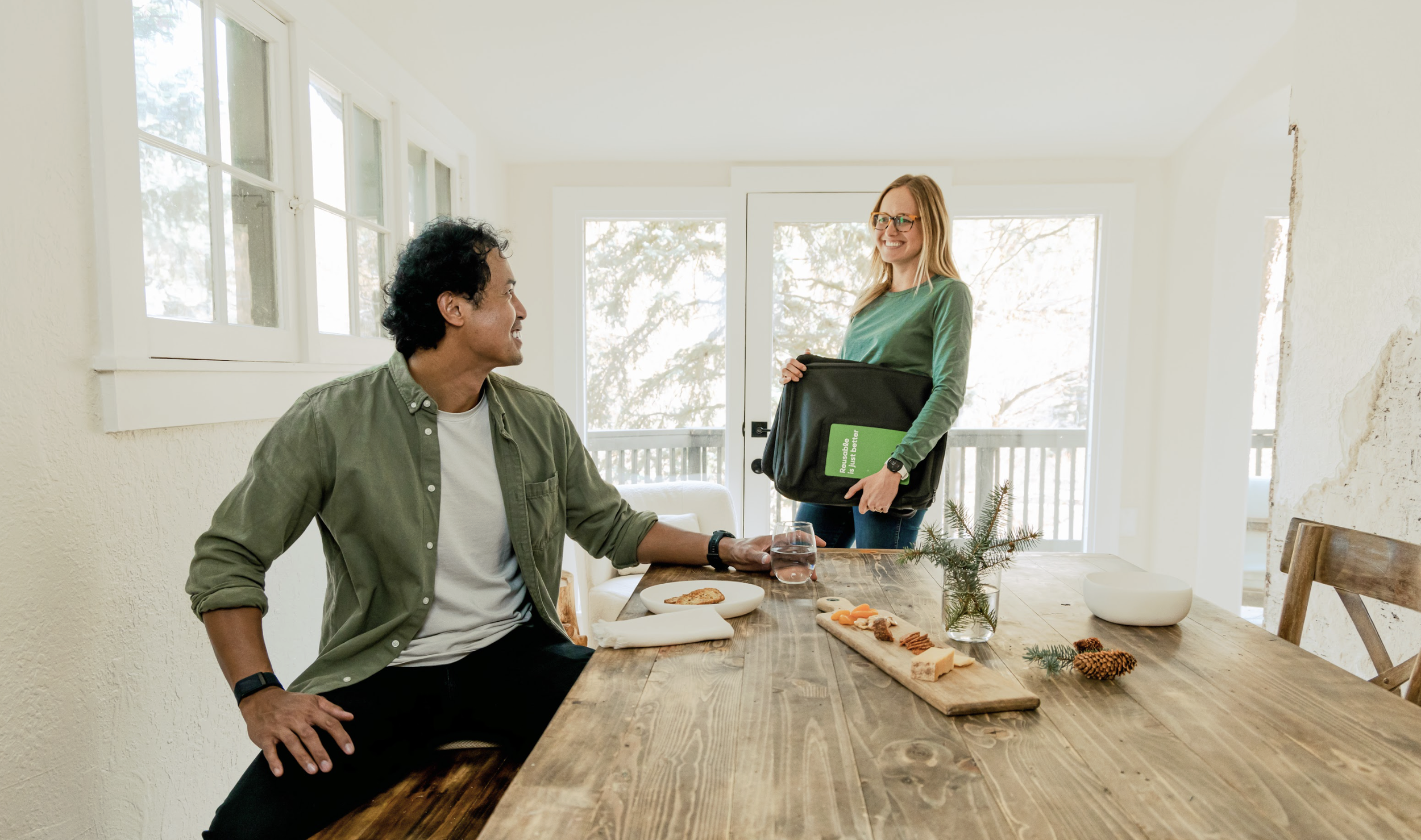
The Unboxing Moment Is the One You Can't A/B Test
Every other part of your marketing funnel is optimizable. You can test your subject lines. You can run two versions of your landing page. You can swap hero images until your click-through rate climbs.
The moment your package lands at your customer's door? You get one shot.
That moment is immediate, physical, and emotional in a way that no digital touchpoint can replicate. Your customer has been anticipating this. They ordered something — maybe they've been thinking about it for days. And when it arrives, the packaging is the first thing that either confirms or undercuts everything your brand has been promising.
"The unboxing is not the end of your funnel. It's the beginning of the next one."
A forgettable unboxing — generic brown cardboard, tissue paper that arrives crushed, a packing slip stuffed in at an angle — sends a quiet message: we care about what's inside, not about you. A remarkable one sends the opposite.
What Customers Actually Remember
Think about the last package you received that you actually talked about. What made it stick?
It probably wasn't the logo placement. It wasn't the color of the tape. It was the feeling — the weight of the box, the way it opened, the moment of reveal, the sense that someone had thought about this.
The brands that nail this have figured out something important: packaging isn't a container. It's a communication. Every material choice, every texture, every moment of friction (or ease) in the opening experience is telling your customer something about who you are.
The details that create the feeling:
Tactile quality — does the packaging feel premium in the hands? Does it suggest care or cost-cutting?
The opening experience — is it intuitive and satisfying, or fussy and frustrating?
The reveal — what does your customer see first when it opens? Is it beautiful? Is it intentional?
The return moment — if there is one, is it painless? Does it feel like a natural part of the experience or a chore?
Why This Matters More in the Age of AI
Here's a shift worth paying attention to: the digital parts of the customer experience are getting harder to differentiate. AI-generated ad creative, AI-written emails, AI-curated product recommendations — the tools that used to separate good brands from great ones are now sitting in everyone's browser tab.
As digital touchpoints flatten, the physical moment at the door becomes one of the only places where brand differentiation actually lives.
You can't automate the weight of a package. You can't AI-generate the feeling of opening something that was made with care. The box on the porch — the thing your customer holds in their hands — is one of the last customer moments that is fully, irreducibly yours.
Worth noting:
This doesn't mean ignoring digital. It means recognizing that as digital gets easier and more uniform, physical experience becomes the rare thing that actually stands out. The brands investing in packaging today are building an advantage that gets harder to replicate, not easier.
The Three Moments That Make or Break It
An unforgettable packaging experience isn't one moment — it's three.
1. The arrival
What does your customer see when the package lands? Before they even touch it, they're forming an impression. Size, shape, material, the presence (or absence) of branding — all of it is communicating something. Does it feel like it was worth waiting for?
2. The opening
This is the moment most brands underinvest in. The opening experience is where the emotional peak happens — or doesn't. A mailer that opens cleanly, reveals the product beautifully, and feels intentional in every detail creates a memory. A box that requires scissors and leaves the customer wrestling with packing tape creates a different kind of memory.
3. The return
This one surprises people. The return moment — whether it's a reusable mailer going back in the mailbox or a return label tucked inside — is often the most recent interaction your customer has with your brand before they decide whether to buy again. Make it easy. Make it feel like part of the loop, not like homework.
What Toad & Co Got Right
"Our customers constantly comment on the packaging. It's become a core part of our brand experience." — Toad & Co
Notice what they didn't say. They didn't say their packaging looks nice. They said it is part of the brand experience — something customers actively notice, comment on, and associate with the brand.
That's the shift worth chasing. Packaging stops being a line item and starts being a touchpoint that earns attention, builds loyalty, and drives the kind of word-of-mouth that no ad budget can fully replicate.
Reusable Packaging Changes the Equation
There's another dimension to this that's worth naming: reusable packaging isn't just better for the planet. It's better for the experience.
When a customer receives a LimeLoop mailer, the quality of the packaging signals something immediately — this brand cares. The mailer is premium, tactile, and clearly designed for more than one use. And the return process, which customers consistently describe as one of the most positive parts of their experience with LimeLoop brands, closes the loop in a way that feels intentional rather than obligatory.
Brands ordering from 250 units up can get started in under two weeks. The economics work because each mailer replaces 20+ single-use boxes. But the brand value — the customer experience value — is harder to put a number on, and harder to replicate with cardboard.
Making Your Packaging Unforgettable: Where to Start
You don't have to overhaul everything at once. Start with these questions:
What does your customer see, feel, and touch the moment the package arrives?
Is the opening experience smooth, satisfying, and intentional — or is it friction?
What's the first thing visible when the package opens? Is it beautiful?
What happens after? Is there a return moment, and is it easy?
What story is your packaging telling about your brand right now — and is it the right one?
The unboxing moment is one of the only parts of your funnel that is fully, physically yours. Most brands treat it like an afterthought. The ones that don't are building something their competitors can't easily copy.
Ready to make the switch?
LimeLoop works with brands ordering from 250 units up. Setup takes less than two weeks, and the mailers integrate with your existing shipping workflow — no operational disruption. See your packaging options